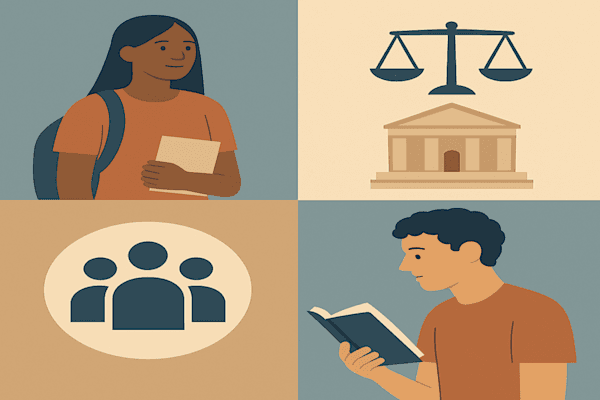
Enhancing Fairness in Higher Education
In the evolving landscape of higher education, focusing on student experience and fairness is more critical than ever. University leaders, academic policymakers, and digital learning innovators must ensure that institutions provide high-quality education and foster an environment where every student feels valued, supported, and treated equitably. The intersection of student experience and fairness holds significant potential for driving meaningful change, and it is crucial to address it with both precision and creativity.
Understanding the Current Educational Landscape
At the heart of the student experience is the notion that every interaction a student has with their institution should be enriching, supportive, and aligned with their educational goals. Despite advances in technology and pedagogy, disparities in student experiences persist, often manifesting as unequal access to resources and varying levels of support. Fairness in higher education goes beyond providing equal resources; it involves ensuring equitable opportunities for all students to succeed by understanding individual needs and systemic barriers.
The Importance of Fairness in Education
Addressing student experience and fairness is not just an ethical obligation but a strategic imperative. Institutions prioritising these elements often see improved student satisfaction, better retention rates, and enhanced academic outcomes. A fair and enriching student experience can significantly boost an institution's reputation and competitiveness.
Personalised Learning for Student Success
Tailoring educational experiences to meet individual student needs can greatly enhance both experience and fairness. By leveraging data analytics and adaptive learning technologies, institutions can deliver personalised pathways that cater to diverse learning styles and paces. For more insights on this, the Times Higher Education website offers extensive resources on adapting to student needs.
Inclusive Curriculum Design
Ensuring curricula reflect diverse perspectives and experiences is crucial for fostering inclusivity. Regular reviews and updates to course content, incorporating feedback from a diverse range of students and faculty members, can enhance inclusivity. The BBC provides further reading on the importance of inclusive education.
Equitable Access to Resources
Institutions must strive to bridge the digital divide, ensuring all students have access to necessary resources, whether digital or physical. This could involve providing loaner devices, expanding internet access, or offering additional support services for disadvantaged students.
Creating a Supportive Academic Environment
A supportive environment goes beyond academic support, requiring a community where students feel they belong and understand their voices are heard. This can be achieved through mentoring programmes, peer networks, and active engagement with student organisations. Transparent policies and practices are vital for fairness, as students should clearly understand institutional expectations and offerings.
Opportunities for Innovation in Education
The intersection of student experience and fairness presents numerous opportunities for innovation in higher education. Emerging technologies like artificial intelligence can provide real-time feedback and support, helping students stay on track. Hybrid learning models, combining online and in-person instruction, offer flexibility and accessibility, enabling students to engage with their education on their terms. Additionally, fostering partnerships with industry and community organisations can provide students with real-world learning experiences and career development opportunities.
Reflecting on Institutional Practices
Enhancing student experience and fairness requires continuous assessment, adaptation, and collaboration across all institutional levels. By prioritising student needs and voices, we can create a more inclusive and equitable educational environment. Reflect on current practices at your institution: Are there areas where student experience and fairness could be improved? What innovative solutions could address these challenges? Engaging in these conversations and taking intentional action can make a meaningful impact on the future of higher education.